Leak Detection in New Braunfels, TX
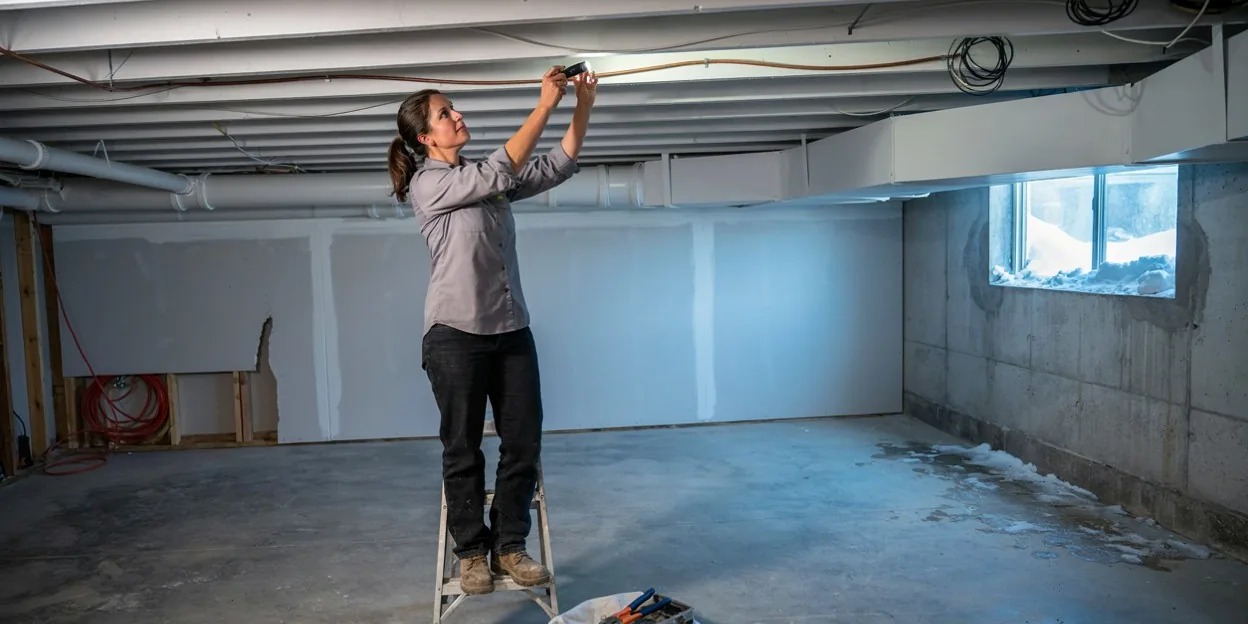
The carpet in the corner of the guest room is damp every morning and dry by evening, and there is no bathroom on the other side of that wall. The water bill has crept up for three months. You have checked under every sink and found nothing. Somewhere between the meter at the curb and that corner, a line is leaking where you cannot see it. This site connects you with an independent local provider who finds hidden leaks in New Braunfels and across Comal County.
Narrowing a leak to one spot before anything is opened
The provider works from the outside in. First the meter test: every fixture off, and the small triangle on the dial still turns. Then isolation, closing the water heater to split hot from cold, and closing the irrigation valve to rule out the yard. A thermal camera shows a warm trail from a hot line or a cool patch from a cold one. Acoustic gear amplifies the hiss of water escaping under pressure, and on a slab a pressure test on each branch tells which run is losing water. Tracer gas is used when the line is deep or quiet.
The result is a mark on the floor or wall, and one opening there instead of three guesses. The water-damage work that follows starts from the readings taken around that mark.
Two things to do before the provider pulls up
Read the meter, write down the number, and read it again in two hours with nothing running. That one fact tells the provider a great deal. Close the irrigation controller so the sprinklers do not confuse the test. Do not pull up carpet or cut drywall; the damp pattern is evidence. Photograph the wet spot at its wettest. If the floor is warm anywhere, say so when you call, because that points to the hot side and shortens the search.
After the line is found: what dries and what gets replaced
Finding the leak is half the job. The plumber repairs or reroutes the line, often up through the attic on an older slab house. Then the damp corner is treated as its own loss: carpet pad out, the bottom of the drywall metered and cut if wet, the slab dried under equipment. A leak that ran for months has usually soaked more than the visible patch, so structural drying covers the rooms around it. When the search points under the floor, the loss becomes slab leak water damage; when it points to the attic, it is often a drain pan or a line to the tank, which is water heater leak cleanup.
Where leaks hide in a New Braunfels house
The house types here hide water in different places. Slab-on-grade homes from the 1980s onward, which is most of the county, carry supply lines under the concrete and drains through it, and the Balcones Fault Zone soils shift both. Two-story plans put a second set of lines across the attic, where a pinhole in a copper run drips onto the ceiling drywall for weeks before a stain appears. The pier-and-beam houses in Comal Town and near the Plaza drop leaks into the crawl space, where the first sign is a smell or a soft floorboard.
Irrigation is the other big one. Yards in Vintage Oaks, Garden Ridge, and the Canyon Lake subdivisions run long sprinkler mains across limestone that shifts, and a cracked PVC line under the lawn shows up as a high bill and a green stripe rather than anything inside. Hard aquifer water pits copper from the inside, so a 1990s house with original plumbing is a repeat caller.
Policies vary on whether the search itself is covered, and most exclude the damage from a leak that ran for months as gradual. This site makes no promise about any policy. Keep the high bills and the provider's test results together.
Calling about the damp corner you cannot explain
Say where the damp spot is, how long the bill has been high, and whether the meter turns with everything closed. Mention a warm floor, a musty closet, or a green stripe in the yard. Have the address and a callback number. Call (830) 356-7502.